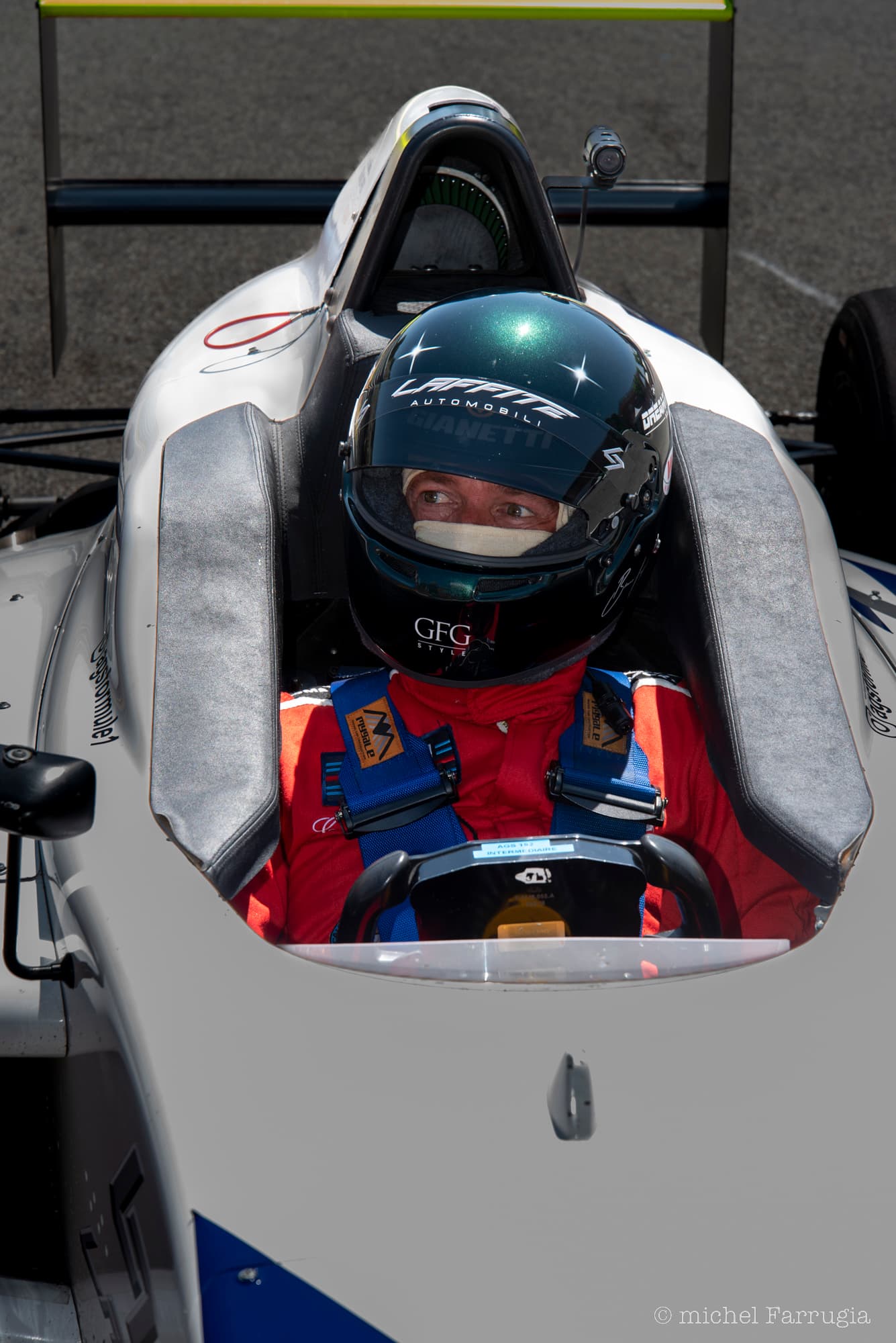
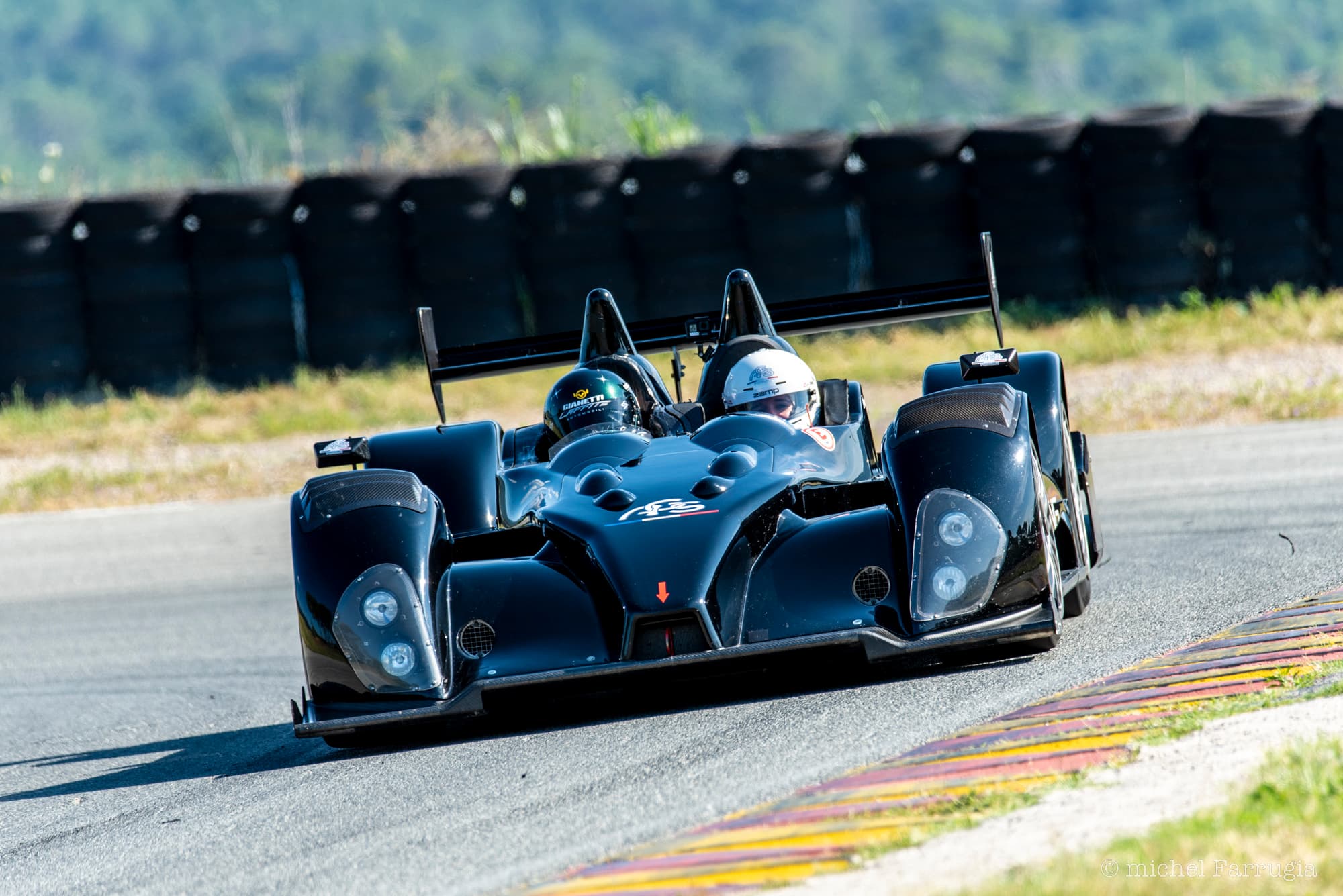
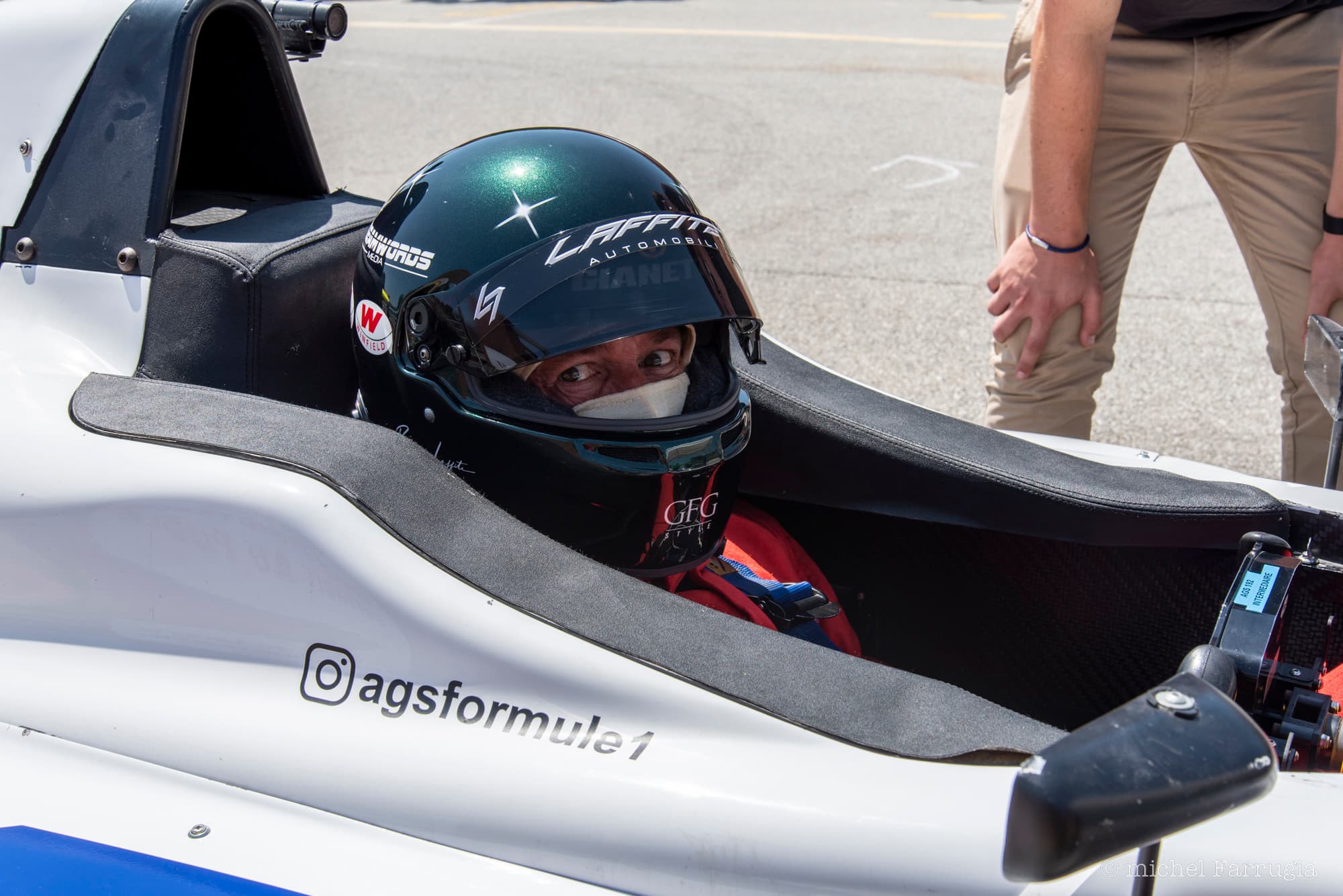
Formula Ford, Formula Renault, Formula 3: the climb of a driver
Ten seasons of single-seaters, several wins and a permanent place among the six best of his generation. A climb built as much in sponsors' offices as on the track.
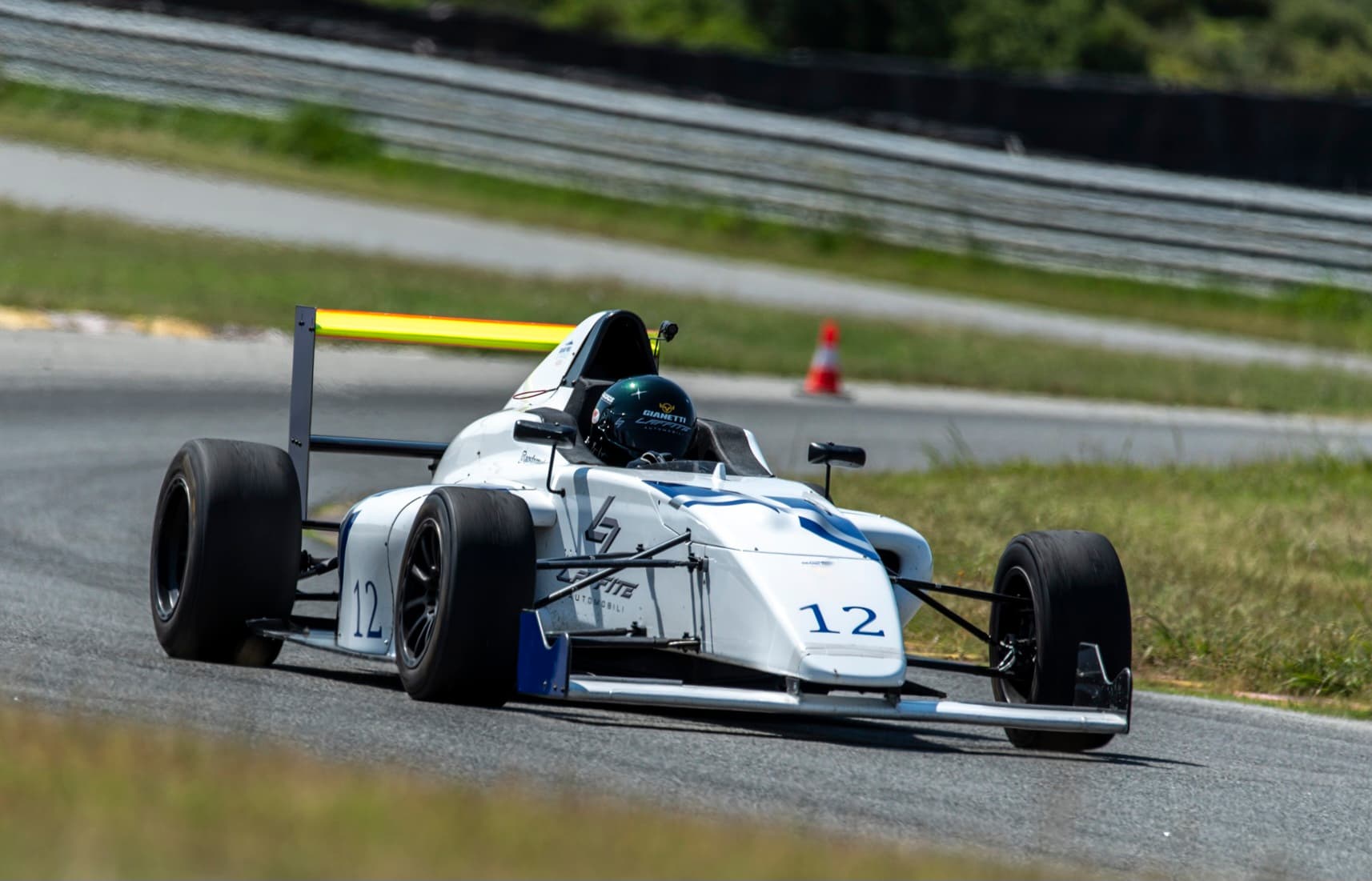
A single-seater season is counted in two currencies: the tenth of a second and the franc. The first is won on track, the second is hunted down in winter, in meeting rooms. For ten years, Bruno Laffite ran both campaigns at once.
Three rungs, one logic
The French ladder of the day had a clear architecture. Formula Ford first: an elementary car, minimal downforce, narrow tyres, where driving shows itself bare because nothing exists to disguise it. Then Formula Renault, faster and fiercely contested, the engine room of French national motorsport. And finally Formula 3, the recognised antechamber of the top level, the category teams and manufacturers watch when they are looking for a name worth remembering.
Bruno Laffite climbed all three rungs, assembling each time the budget that bought him the next one. He took several wins along the way and a run of strong results, in fields where the gap between first and tenth was sometimes a few tenths of a second a lap. That density explains something spectators often miss: in junior formulae you do not beat an opponent, you beat an entire grid, weekend after weekend, never with a decisively superior car.
The driver's second trade
A season does not begin in March on a starting grid. It begins in November, with a folder under one arm and a list of companies to convince. This was the second trade of the French driver of that era, seldom described and yet decisive: presenting a budget, putting a figure on exposure, sounding credible in front of marketing directors who know nothing about racing and everything about cost.
A driver picks up a vocabulary that is not his own: press value, deliverables, communication plan. He also learns that racing does not forgive administrative delay. A budget closed in February buys pre-season testing. The same budget closed in April costs two races, and two races lost in a championship are never quite recovered.
There is a particular loneliness to that winter work. Nobody photographs it, no result sheet records it, and the people who decide a season's fate rarely set foot in a paddock. Yet every lap of the year that follows depends on those meetings, and a driver who cannot handle them will not race, however quick he may be on a Sunday afternoon.
« People imagine a driver prepares his season in a gym. Mostly he prepares it in offices, with a folder under his arm. »
Ten years among the top six
On track, financial constraint changes the nature of the job. When test mileage is expensive, you have to be quick by the third lap, understand a chassis in half a day, and give an engineer usable feedback in three sentences. That scarcity forges a particular discipline: you do not spend weeks hunting for performance, you find it fast or you go home.
For Bruno Laffite, the outcome was an unusual consistency. For ten years he ranked among the six best drivers of his generation. That is not a line from a brochure, it is a position held season after season, in championships where half the grid changed every winter for lack of money, and where simply still being there counted as an achievement.
In a ladder that works, that kind of regularity leads somewhere: to the rung above, to an official test, sometimes to a reserve contract. The ladder, however, has to remain standing. And it was precisely as his consistency was becoming an argument that the money feeding French motorsport began to disappear.
Invite Bruno Laffite to tell the behind-the-scenes at your event.