Anthony Beltoise and Bruno Laffite: a generation learning together
They started at the same age, on the same circuits, carrying names French motorsport already knew. The story of a paddock friendship and of what a famous surname costs.
In the early nineteen-nineties, two young men turned up on French circuits at almost the same moment. One was called Beltoise, the other Laffite. Neither had chosen his surname, and both would spend the years that followed learning to live with it, on track and in meeting rooms alike.
Two names, one paddock
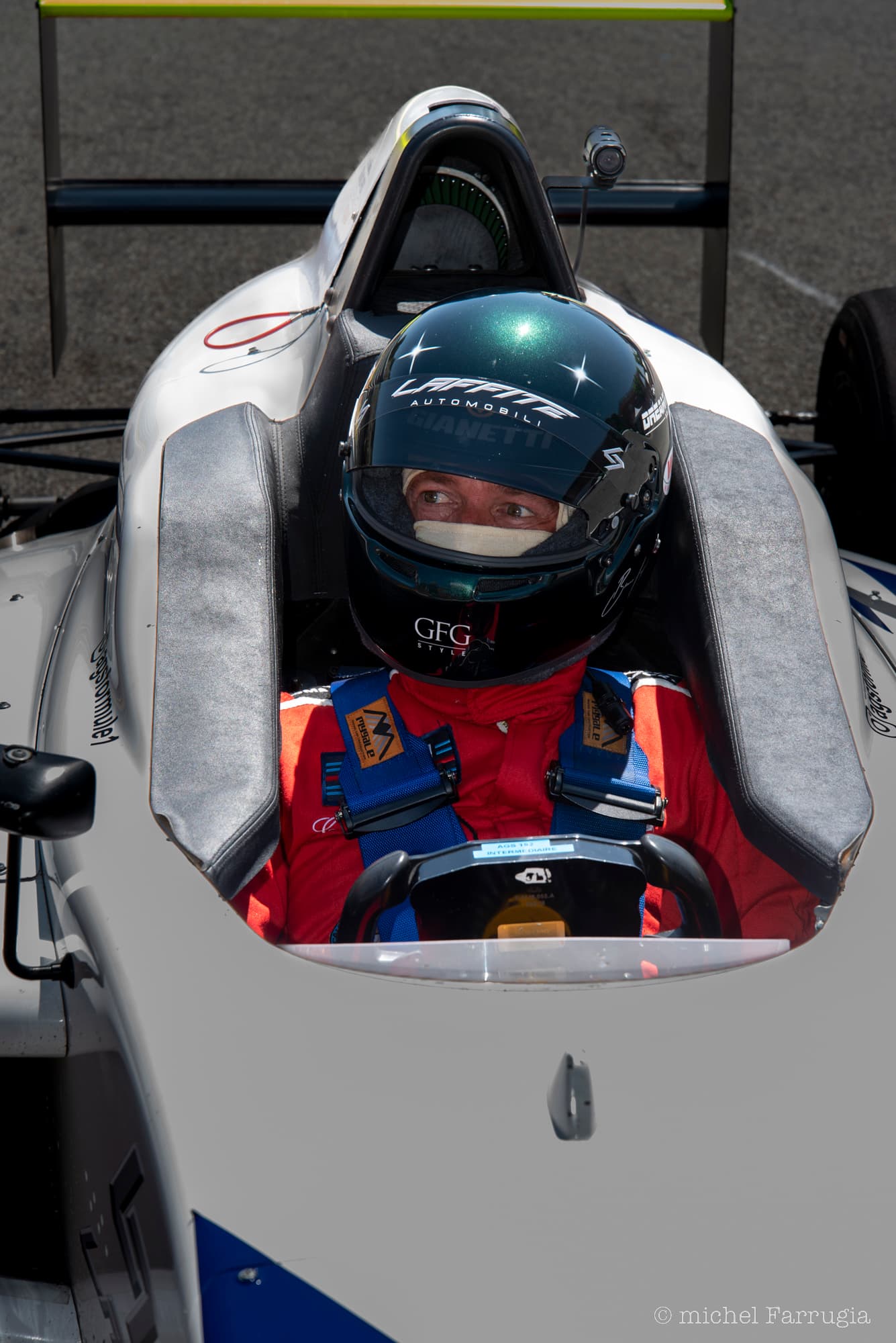
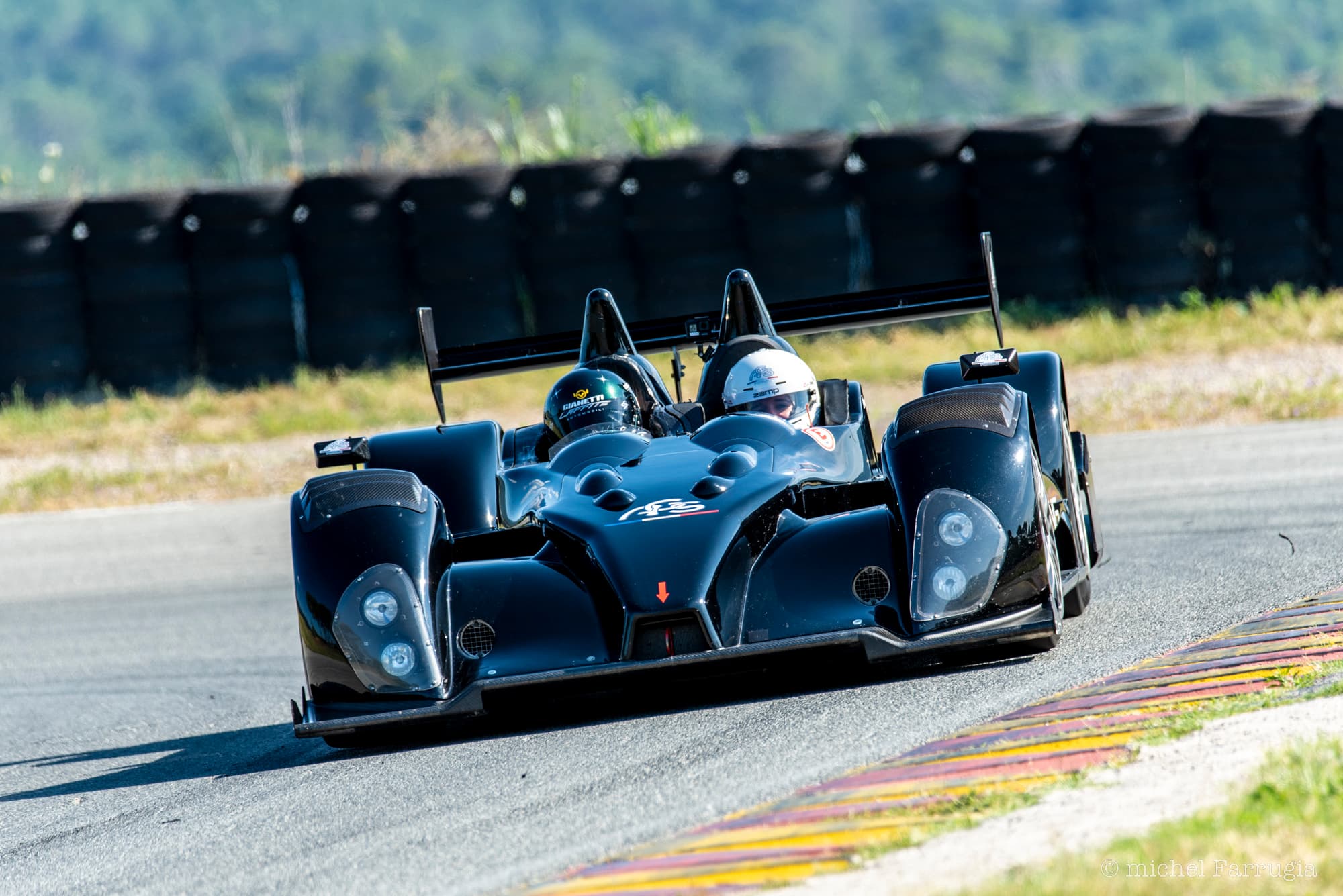
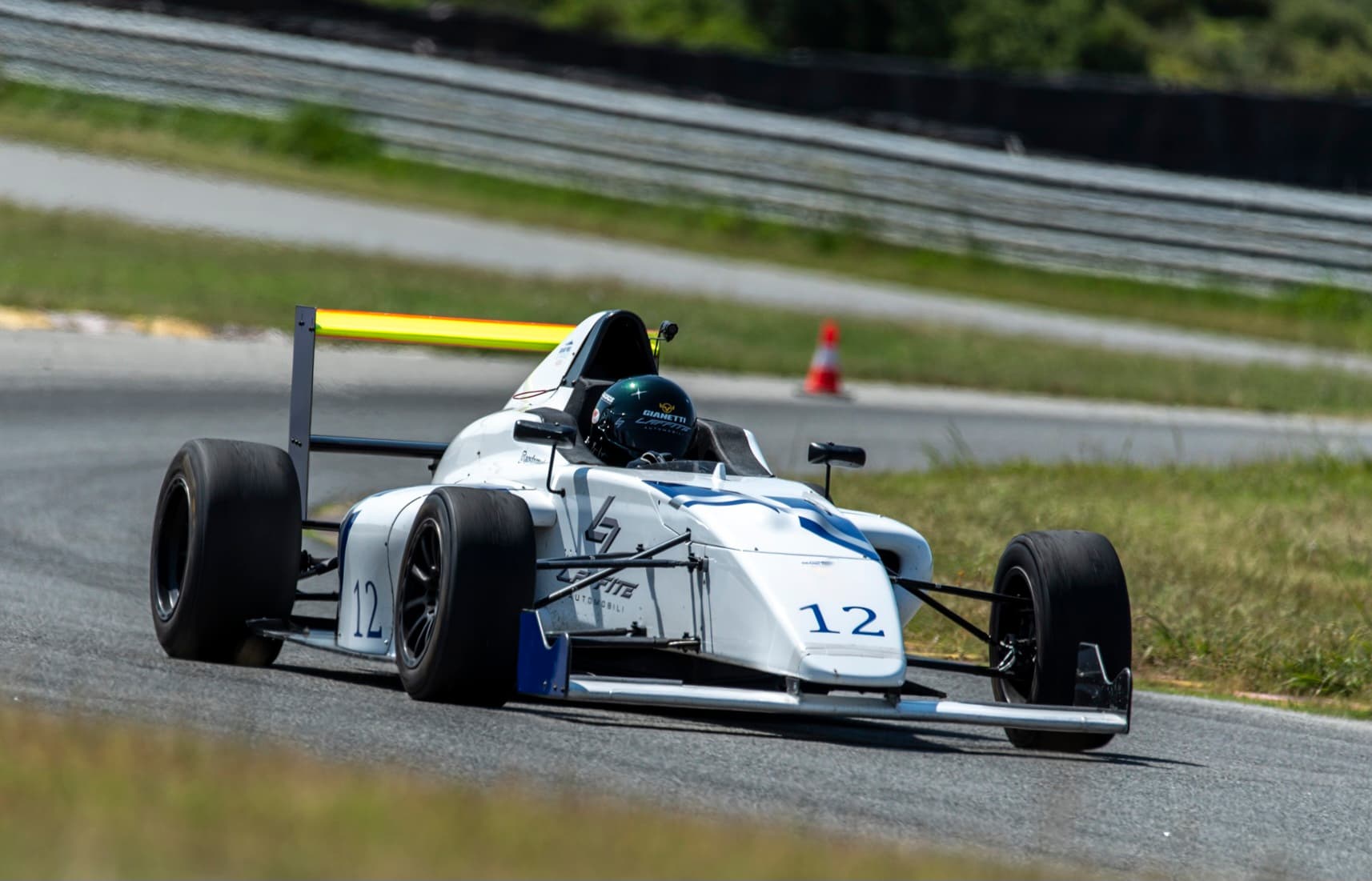
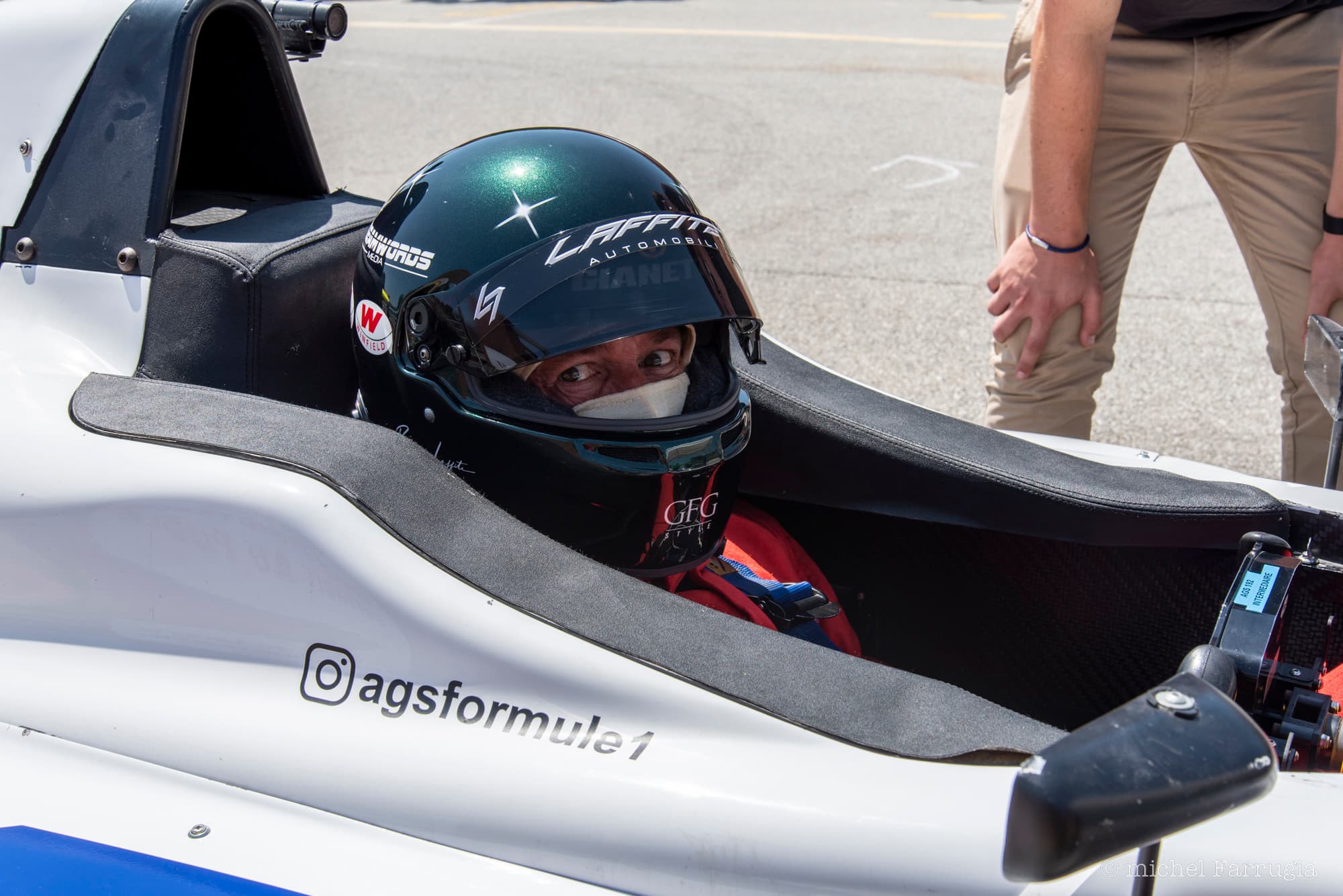
Bruno Laffite was born in Paris on 1 December 1970. His father, Dominique Laffite, ran a car business in the capital and happened to be the brother of Jacques Laffite: 177 Grands Prix, six wins, thirty-three podiums, most of them with Ligier. Anthony Beltoise, for his part, is the son of Jean-Pierre Beltoise. The two began competing at the same time, in the same country, on the same circuits, each perfectly aware of what his name announced before he had said a word.
For Bruno, the starting point comes down to a date and a place: Montlhéry, 1990, aged twenty, a Lotus Seven. He took pole position in his very first race, which in a world where news travels within forty-eight hours did not go unnoticed. Shortly afterwards Jean Todt, then at Peugeot, offered him a drive in the European Rallycross Championship in a 205 T16. At twenty, barely out of his first race weekend, he found himself at the controls of one of the most violent machines of the era.
The weight of a surname
Carrying a racing name into a cockpit is not a clean advantage, it is an equation. The name opens certain doors: a team principal takes the call, a presentation folder reads itself, a prospective backer grants twenty minutes rather than five. It quietly closes others. Nobody ever watches you as a beginner. From your first lap you are measured against a record you had no part in building.
That record was formidable. Jacques Laffite's first win, at the 1977 Swedish Grand Prix in a Ligier JS7, remains the first all-French victory in Formula 1 history: chassis, engine and driver. Landmarks of that kind do not fade in a country fond of its motor racing. Anthony Beltoise was living exactly the same arithmetic under a different name, with a press file written in advance and no allowance made for youth.
« The stopwatch is the only thing in the world that has never heard of your surname. »
A generation climbing together
What stands out, in hindsight, is less the rivalry than the companionship. The French talent pool of the early nineties was small enough for everyone to know everyone: the same circuits, the same trucks, the same roadside hotels, the same appointments with the same short list of possible backers. You fight over a corner on Sunday and compare funding plans the following Wednesday.
Beltoise and Laffite belonged to that cohort: a handful of drivers of the same age, schooled in the same junior formulae, convinced the road climbed straight ahead and asked only for persistence. They pushed one another in the most literal sense. A benchmark lap set by one obliged the other to find something more the next Saturday, and that daily pressure taught more than any racing school ever could.
None of them could have guessed, at that point, that a decision taken far from any circuit was about to reshuffle the entire generation. What came next would not be settled by the stopwatch. It would be settled on budget lines, and it would fall completely outside the drivers' control.
Invite Bruno Laffite to tell the behind-the-scenes at your event.