A decade without a next wave: the French drivers Formula 1 never saw
After the funding collapse, Formula 1 carried barely a French name beyond Jean Alesi and Olivier Panis. What becomes of a generation that arrives one season too late.
To grasp what happened in the mid-nineties, simply count the French helmets on a Formula 1 grid. The count takes a moment: two, for the best part of ten years.
Two Frenchmen on the grid
Jean Alesi and Olivier Panis. The first was already established when French funding began to dry up: his place at the top was secured before the break. The second came through the Elf pipeline, one of the last structured routes capable of carrying a French driver all the way to Formula 1. Two careers validated, both of them, before the staircase gave way.
Behind them, almost nothing for a decade. Not a shortage of talent but a shortage of means: the drivers existed, the results existed, and the championships in which to be noticed had lost their backers. A team principal does not sign a driver he has never seen race, and nobody races without a budget.
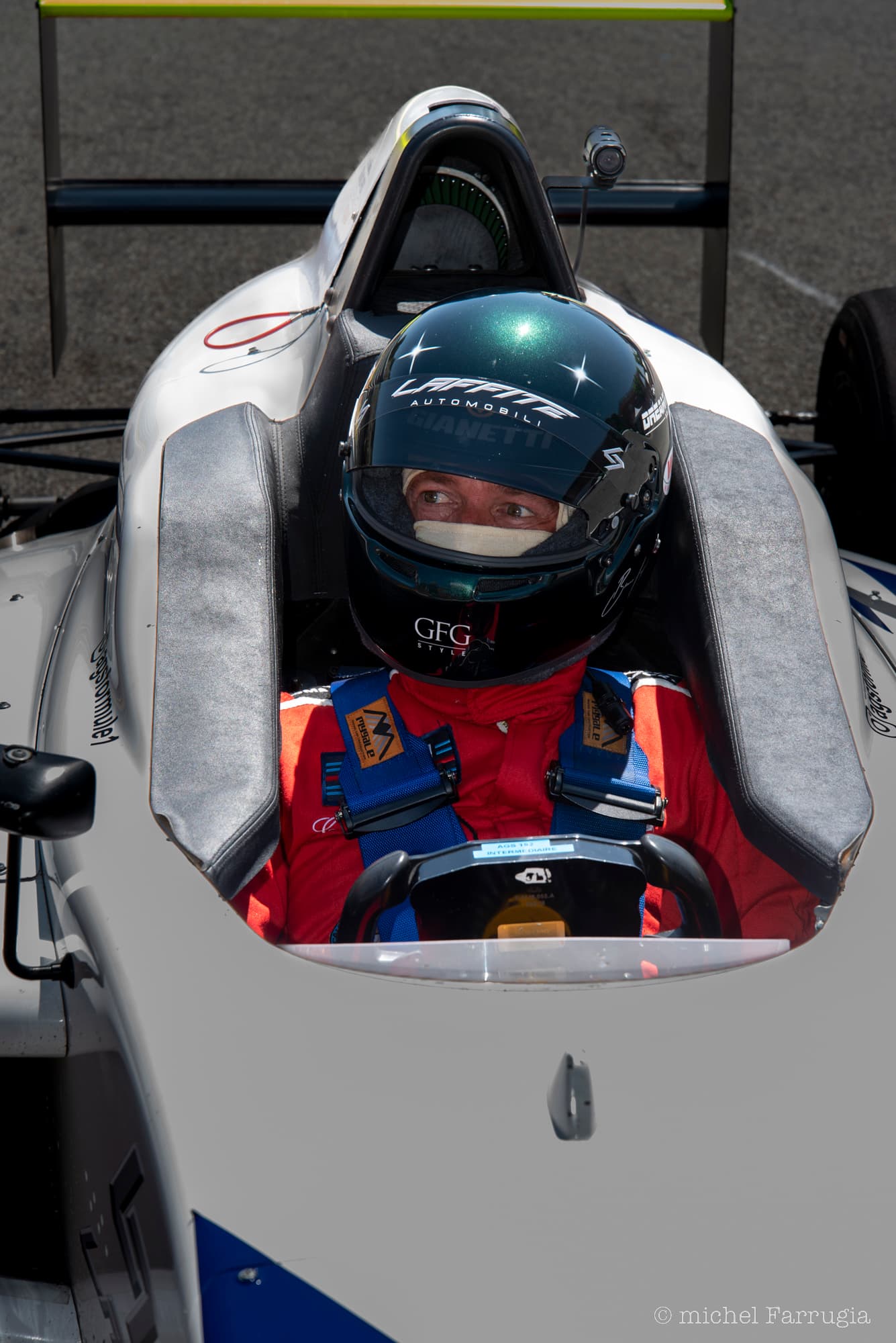
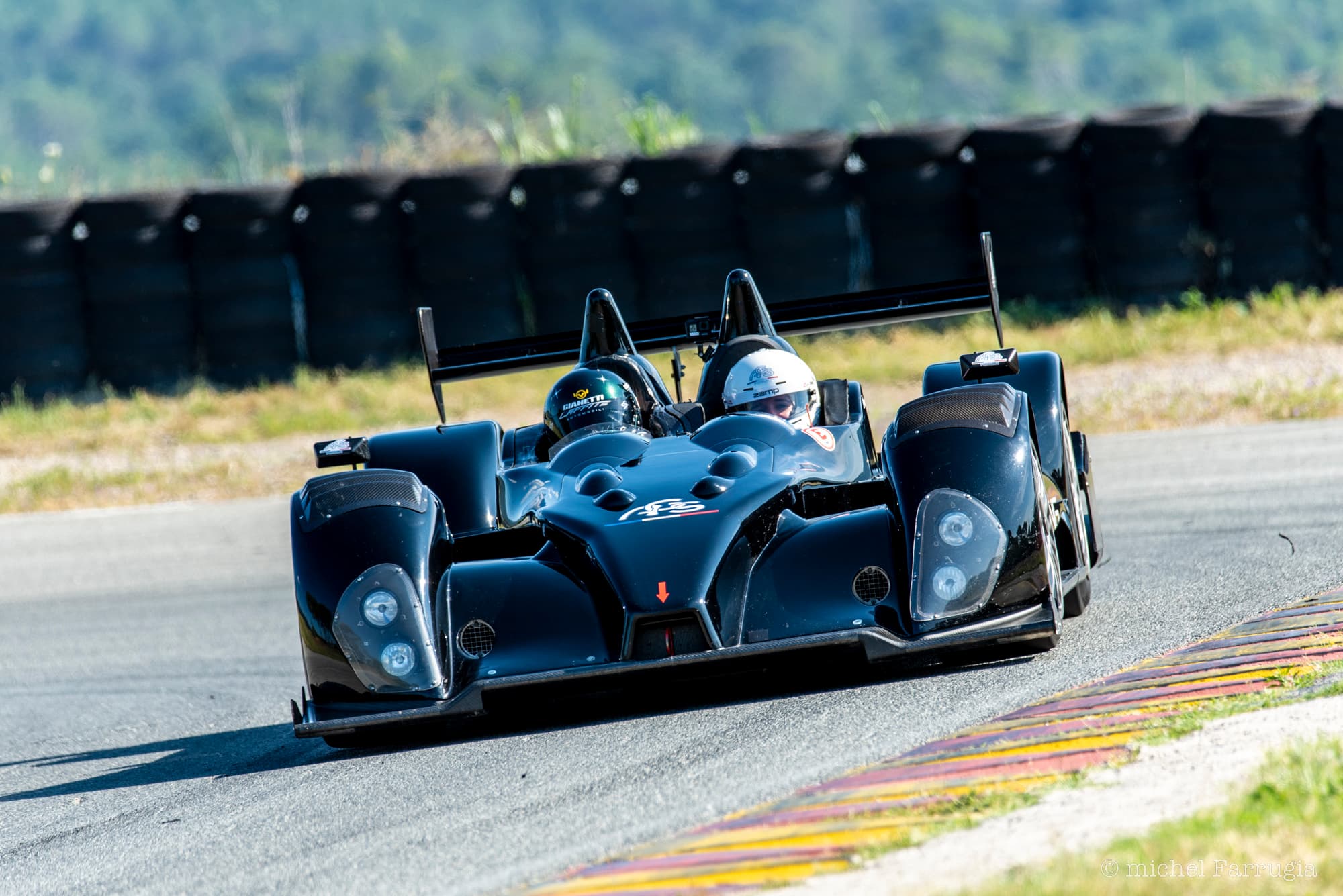
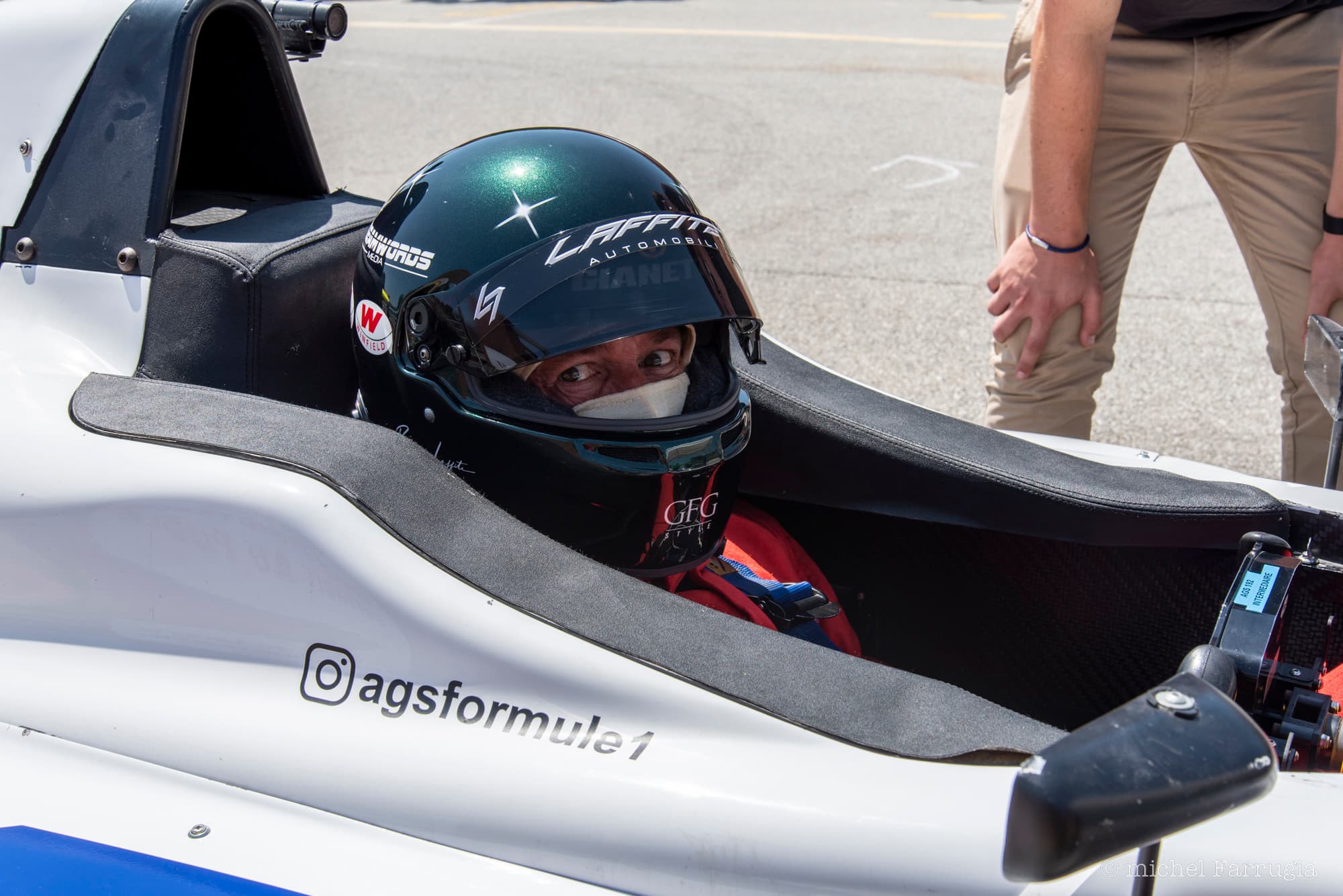
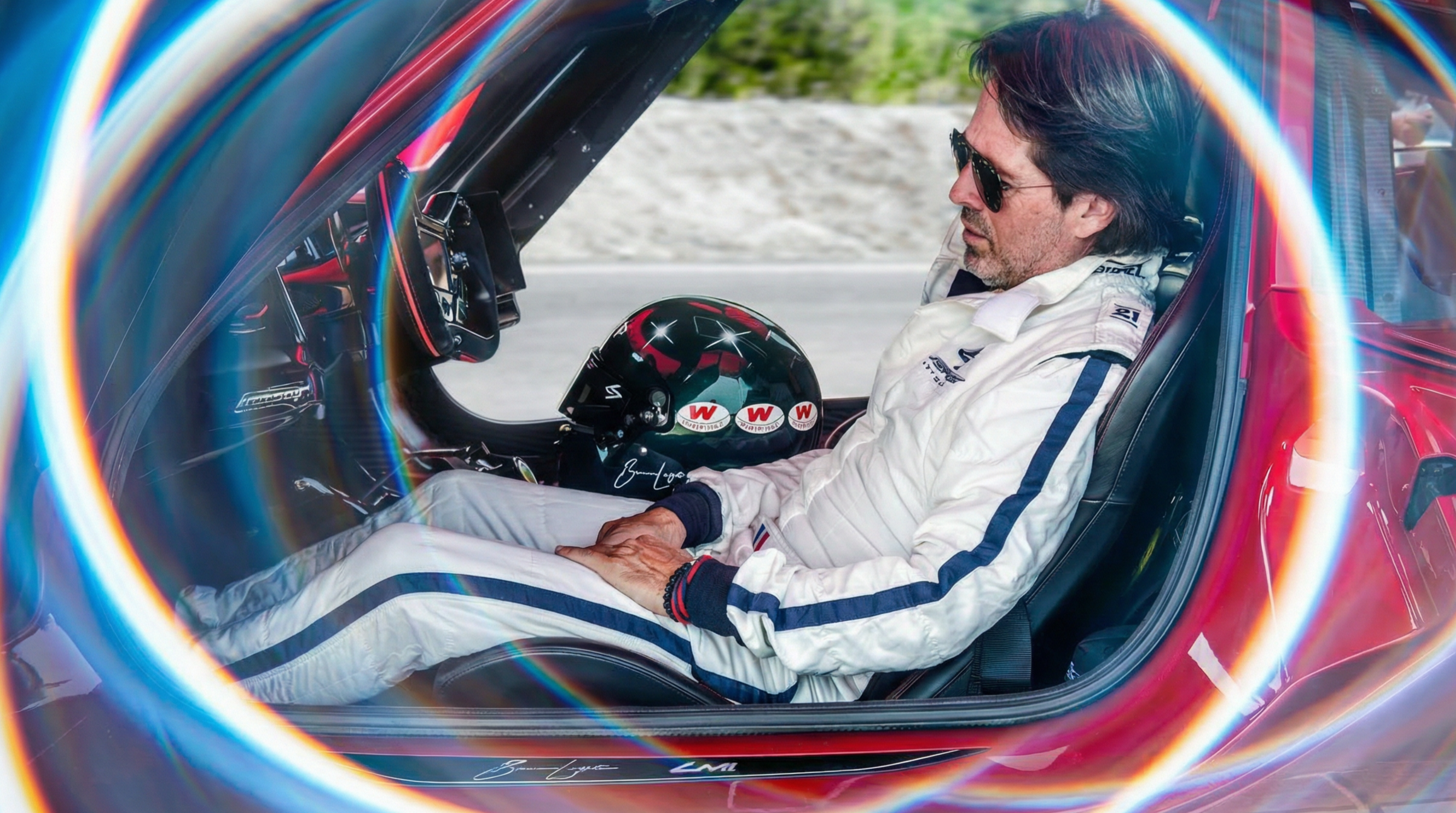
Bruno Laffite was slightly younger than either man. A few seasons of difference, which on the scale of a driving career amounts to a whole generation. The door closed while he was still climbing, and it stayed closed well beyond his window.
Arriving one season too late
Motor racing is a matter of timing as much as of speed. A driver's useful window is narrow: a handful of years in which results must be converted into a seat, before teams turn their attention to the next intake. Once that window passes, excellence is no longer enough, because the attention has already moved on.
The most disorienting feature of the period was the absence of refusal. Nobody tells a driver no. No letter arrives announcing that it is over. Seats simply stop opening, calls grow further apart, proposals go unanswered, and one day, looking at a starting grid, you understand the train has gone.
There is also a statistical unfairness nobody discusses. A Formula 1 team does not hire the best available driver, it hires the most visible one: the driver racing in a championship it actually watches, presented by a manager it already knows. When French championships lost their exposure, their drivers vanished from view long before they vanished from the results. The sequence is a cruel one: you stop being seen well before you stop being fast.
« France was never short of fast drivers. For ten years it was short of the step that led from the junior formulae to Formula 1. »
What becomes of talent with no door
That generation did not evaporate. Some found refuge in endurance racing or touring cars, less visible disciplines but still alive. Others went abroad, to places where the structures still held. Many became instructors, race engineers, dealers, entrepreneurs. Sport keeps a careful register of its winners and none at all of the people it could not take in.
It would be easy to tell this as a story of injustice. It would also be inaccurate. A driving career rests on a long chain of conditions, only one of which genuinely belongs to the driver: his speed. The rest depends on an economy, a calendar, a political and public-health context. Bruno Laffite held up his end. The chain broke further up.
What remains is what the period actually built in those who lived through it: the ability to persuade, to assemble funding, to read a market, to carry a project for years with no guarantee of return. Driver's skills, on the face of it. Builder's skills, in reality.
Invite Bruno Laffite to tell the behind-the-scenes at your event.