Place de la Concorde: when the great departures belonged to the city
The Monte-Carlo and the Paris-Dakar once set off from the place de la Concorde, in front of the crowd. A look back at an era when motorsport was still a public spectacle.
There was a time when watching a race start required no ticket: you walked down to the place de la Concorde, in the middle of Paris, and waited.
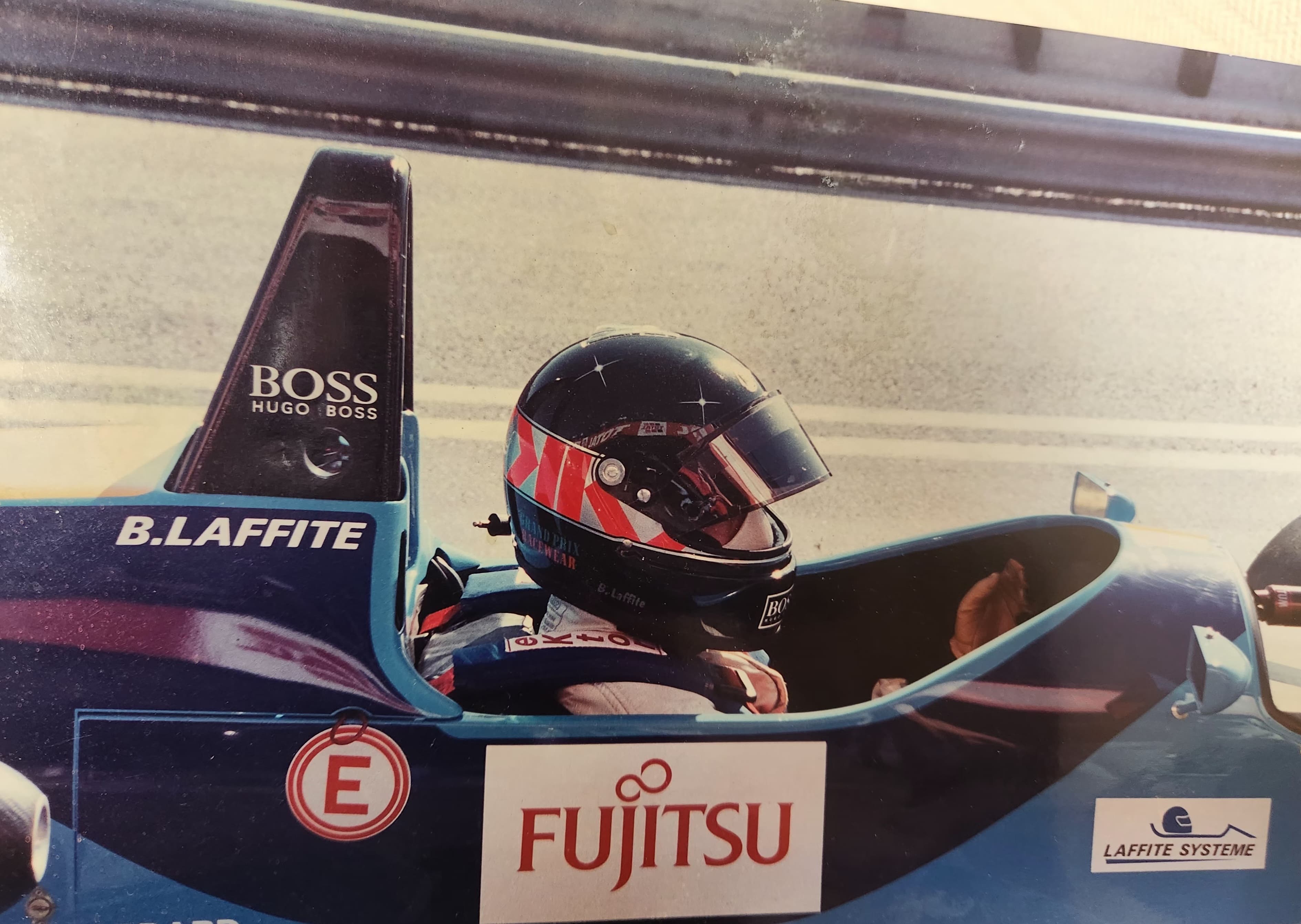
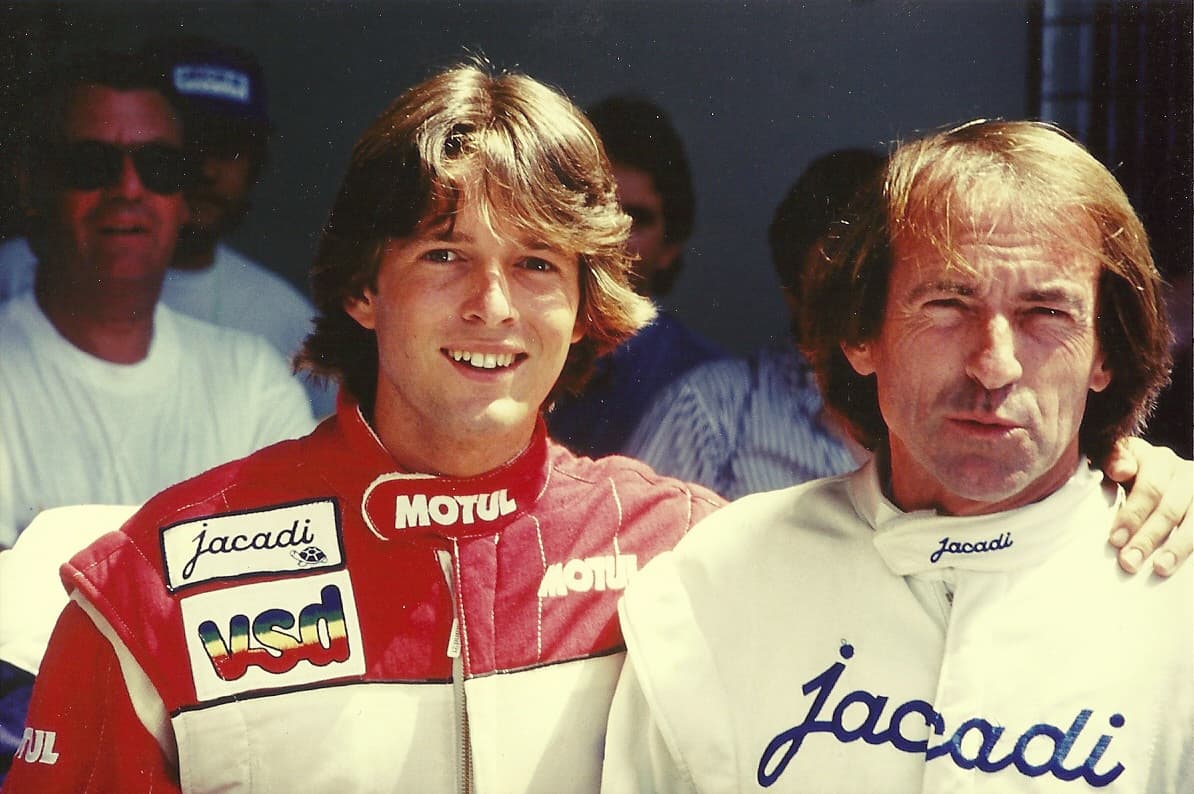
That is where the great rallies of the period began. The Rallye Monte-Carlo and the Paris-Dakar set off from the capital, on one of the largest squares in France, between the Champs-Élysées and the Tuileries. As a boy, Bruno Laffite was taken to watch by his father Dominique, a Paris car dealer who himself entered a small team in the Monte-Carlo.
The great departures
A rally start has nothing in common with a Grand Prix start. It is not a collective launch but a procession: the cars move off one at a time, at fixed intervals, each acknowledged individually. The ceremony runs for hours. It leaves time to look, to compare, to recognise the crews, to argue about the preparation.
The Paris-Dakar added something else again: the competitors were not merely leaving a start line, they were leaving a continent. Trucks, motorcycles, factory cars and home-built machines headed off together toward several thousand kilometres of African tracks, with no guarantee of seeing Paris again other than by plane. The Monte-Carlo promised winter instead: Alpine passes, darkness, black ice, and tyre choice elevated into a strategic discipline of its own.
A popular spectacle
What is striking in hindsight is that it cost nothing. Motorsport took place amid ordinary traffic, on a public square, at street level. Families came without booking, without accreditation, without a screen between them and the cars. Spectators stood a few metres away, close enough to smell them.
For a child, that proximity changes everything. A racing car on television stays an image; the same car standing still in front of you on a winter morning becomes a real object, with its rivets, its decals, its filler marks and its studded tyres. Myth and mechanics meet in the same place.
The crowd, too, was not a specialist one. Enthusiasts who could name every crew stood alongside passers-by who had simply come to see what was happening on the square. That porousness was the strength of the occasion: motorsport was not addressing only the people who already followed it. Every winter, it recruited part of its audience from the merely curious.
It was not yet a product. It was a city event, where you could touch the cars and talk to the mechanics.
What has gone
That era is over, and the reasons are well understood: safety, logistics, urban constraints, the economics of the sport, the demands of television. The major events became professional, secured, and more distant. Today they are better watched than experienced, and the place de la Concorde has gone back to being a junction.
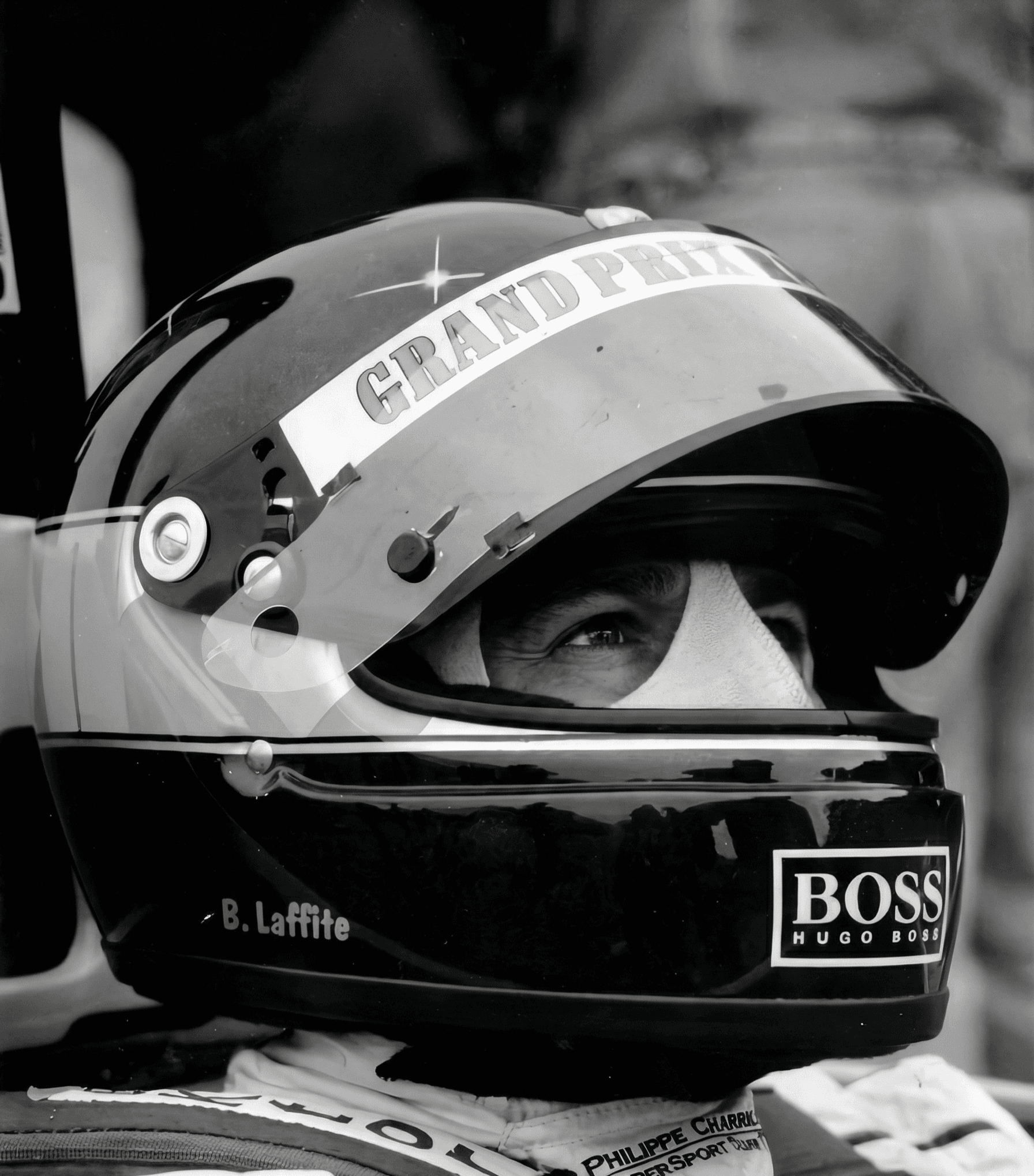
What remains is what that culture left in the children who lived it. A particular notion of competition cars as common property, on display, shared, rather than as a spectacle reserved for the few. Bruno Laffite grew up in that France, between the Concorde departures, his father's dealership, and one or two Grands Prix a year.
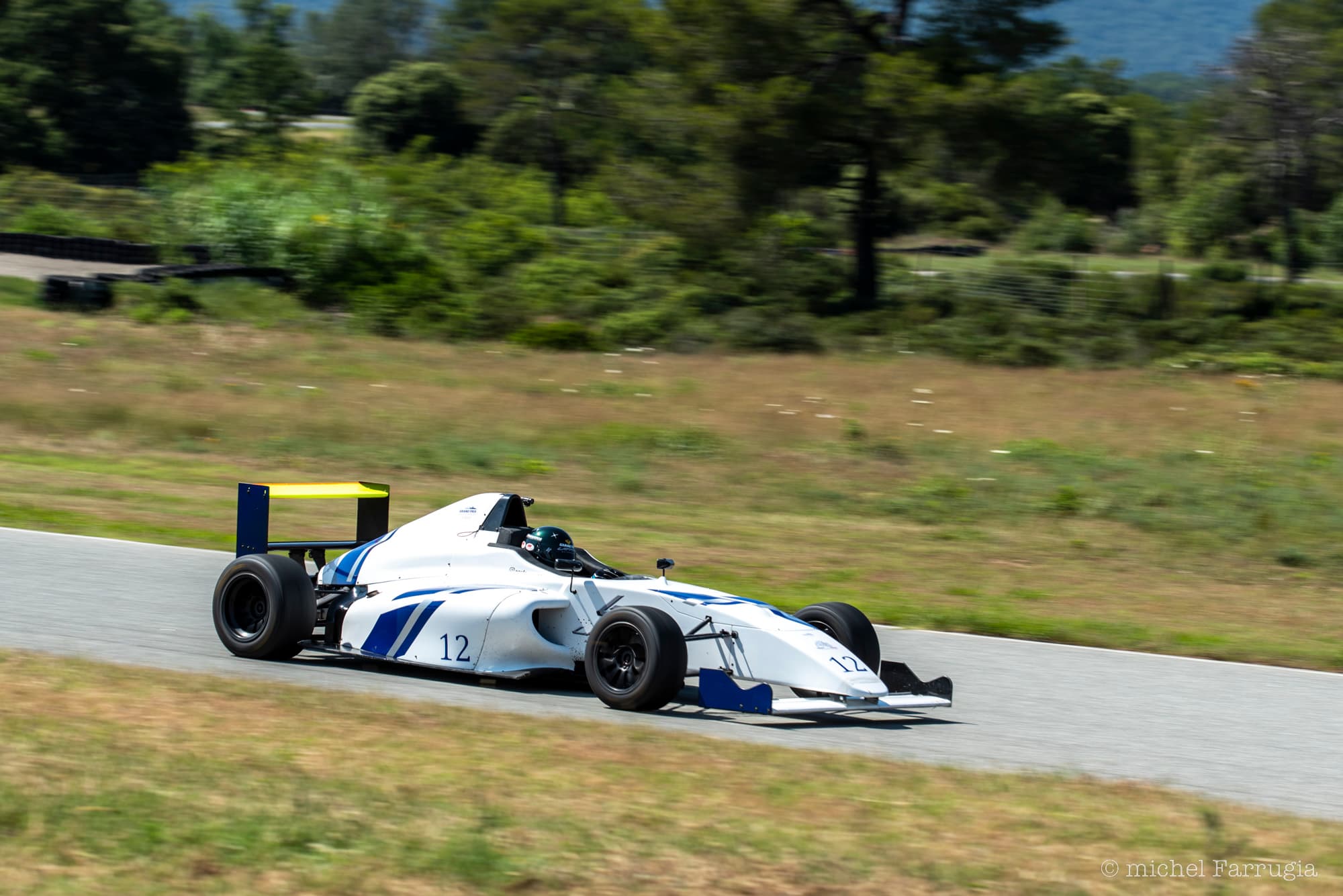
The thread is not broken. When H.S.H. Prince Albert II of Monaco drove the Laffite LM1 to open the Monaco Grand Prix, and the car then went on show for the summer in the Prince's collection on Port Hercule, something of that older spirit was replayed: a racing machine made visible, in a city, in front of the public. The setting has changed. The idea has not.
Invite Bruno Laffite to tell the behind-the-scenes at your event.