Jacques Laffite: the uncle who gave France its first all-French win
Six wins, 177 Grands Prix, a team that became a national cause. In Sweden in 1977, Jacques Laffite scored the first all-French victory in the history of Formula 1.
One victory is sometimes enough to change a country's standing in a sport. At the 1977 Swedish Grand Prix, Jacques Laffite scored one that France still remembers.
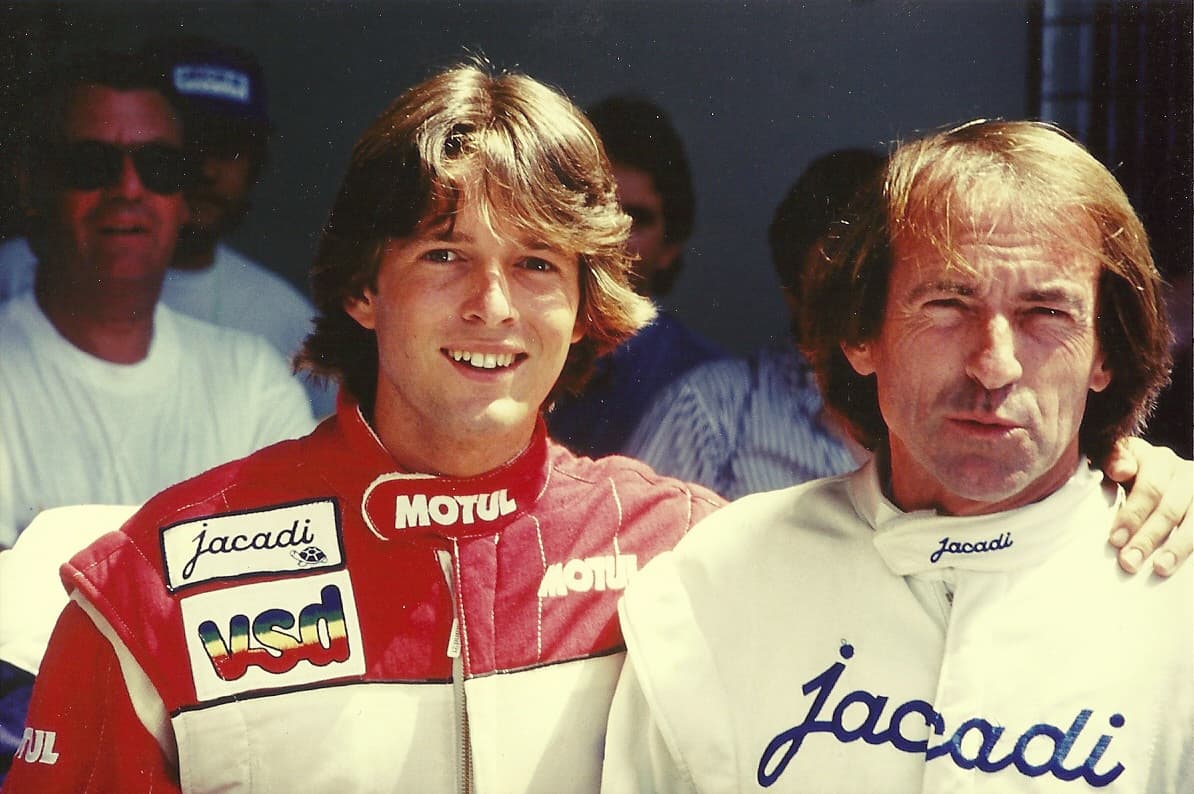
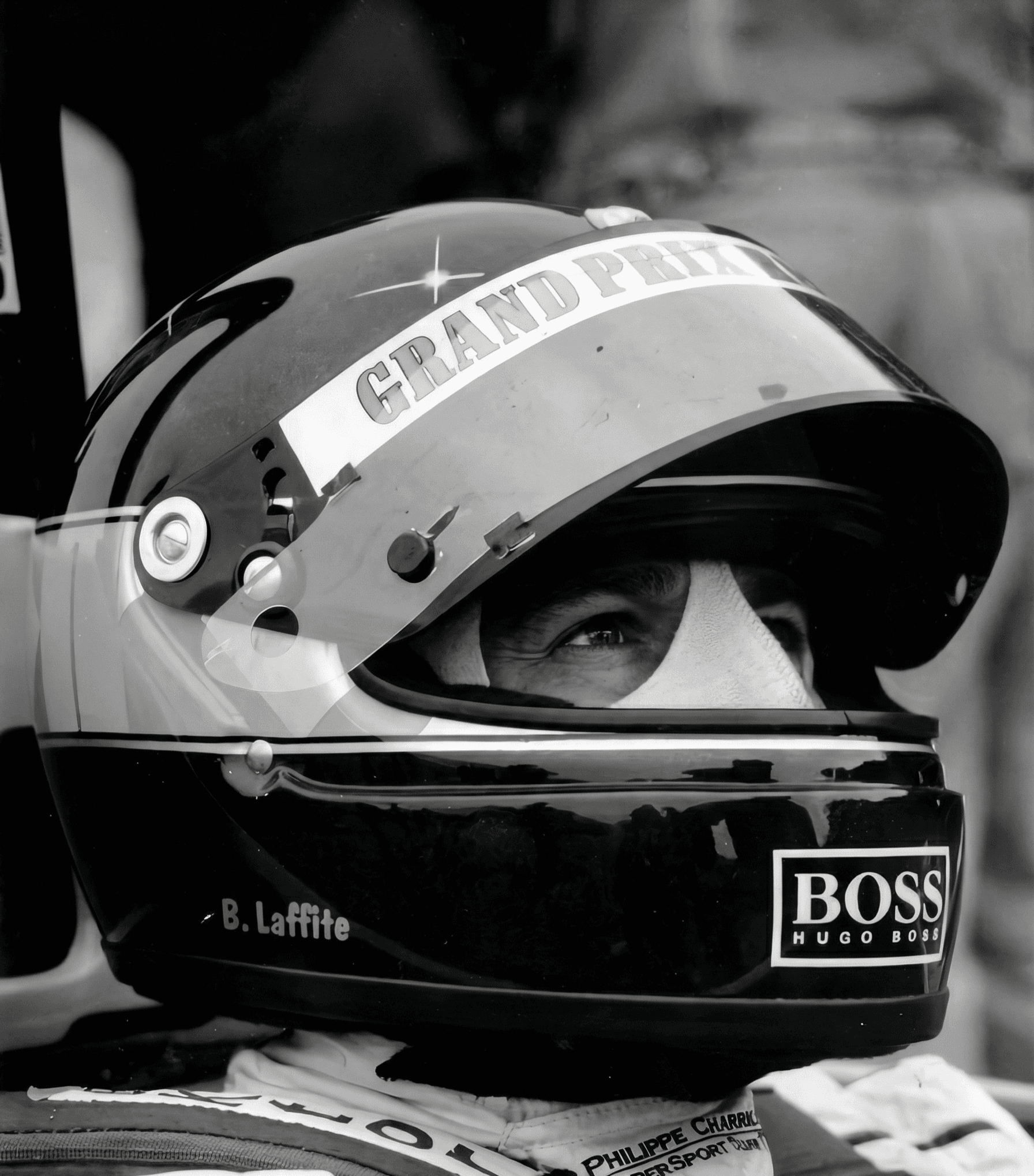
Jacques Laffite was the brother of Dominique Laffite, a Paris car dealer, and therefore Bruno's uncle. He raced in Formula 1 from 1974 to 1986. Across twelve seasons he started 177 Grands Prix, won six of them and stood on the podium thirty-three times. Most of that career was spent at Ligier, the French team of which he became, in the public eye, the face.
Sweden 1977
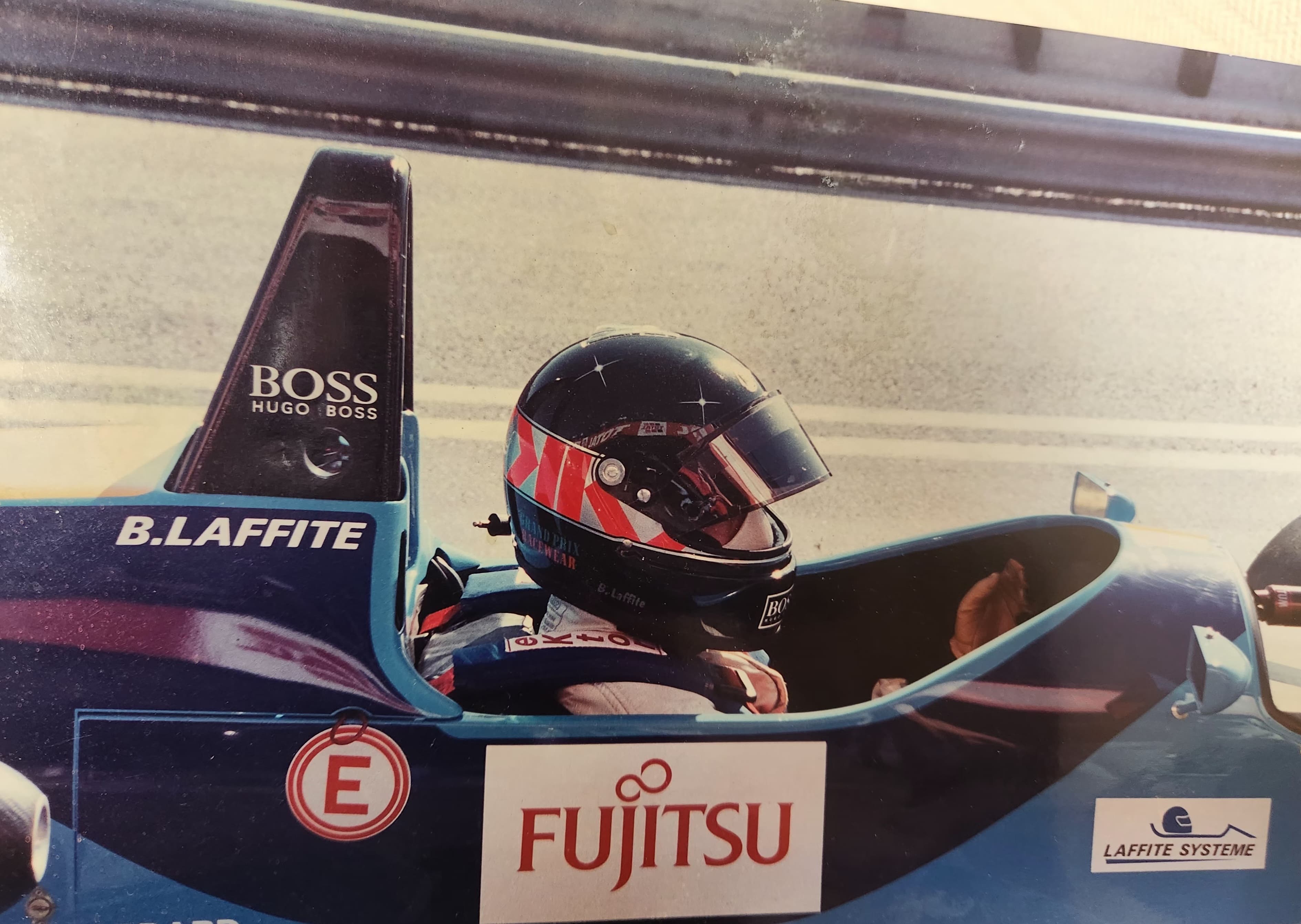
His Swedish win was not merely the first of his career. It was the first all-French victory in the history of Formula 1: a French chassis, the Ligier JS7; a French engine, built by Matra; a French driver. Until then France had given the championship winners, constructors and engine makers, but never all three in the same car on the same afternoon.
The detail matters in a discipline that habitually breaks a result down by nationality. It gave Ligier a particular standing, somewhere between a privateer outfit and a national project, and it put Jacques Laffite in a category of his own: the driver who moved a country's numbers.
The Ligier years
What followed was a long, steady career, less remarkable for spectacle than for sheer presence. Thirty-three podiums from 177 starts says something plain about dependability in an era when Formula 1 wore out most of the men who entered it. Twelve seasons at the top level, in a sport that forgave very little.
It ended abruptly, in 1986, in a crash at Brands Hatch. He never raced in Formula 1 again. The figure of 177 Grands Prix remains one of the clearest markers of his longevity, a total few French drivers have come near.
A name is not handed over the way a title is. It is carried, and you have to learn to walk with it.
Carrying the name
For Bruno Laffite, born in 1970, none of this was abstract. He was six when French television began broadcasting Grands Prix, in 1976, and the driver on the screen was his uncle. Few children get so short a route between a dream and the real thing: the most distant sport imaginable was being run inside the family.
The name, though, does not open the doors people assume it does. In motorsport it exempts nobody from a budget, a stopwatch, or the seasons when the backers fail to appear. What it sets is a threshold: when your surname is Laffite, an average result is noticed more than a good one. So Bruno Laffite built his own record, from Montlhéry in 1990 through the junior formulas, and then, once the Formula 1 door had closed, in business.
The inheritance is still legible in one decision. When he founded a hypercar marque in Turin, he did not look for a neutral, invented, history-free name. He gave the company the family name, with everything that implies in the way of debt and obligation. Laffite Automobili did not come out of a marketing brief: it is a signature with an origin, and one that has to be earned.
Decades after the blue Ligier JS7, the name is on a chassis again: the LM1, a street-legal hypercar of more than 1,000 hp, designed by Giorgetto Giugiaro and limited to twenty-four units. The circle does not quite close. It carries on.
Invite Bruno Laffite to tell the behind-the-scenes at your event.