Back near Monaco: how an idea carried for decades became a decision
After Florida, he was renovating houses on the doorstep of Monaco. That is where the intuition he had always carried resurfaced: a race car made legal for the open road.
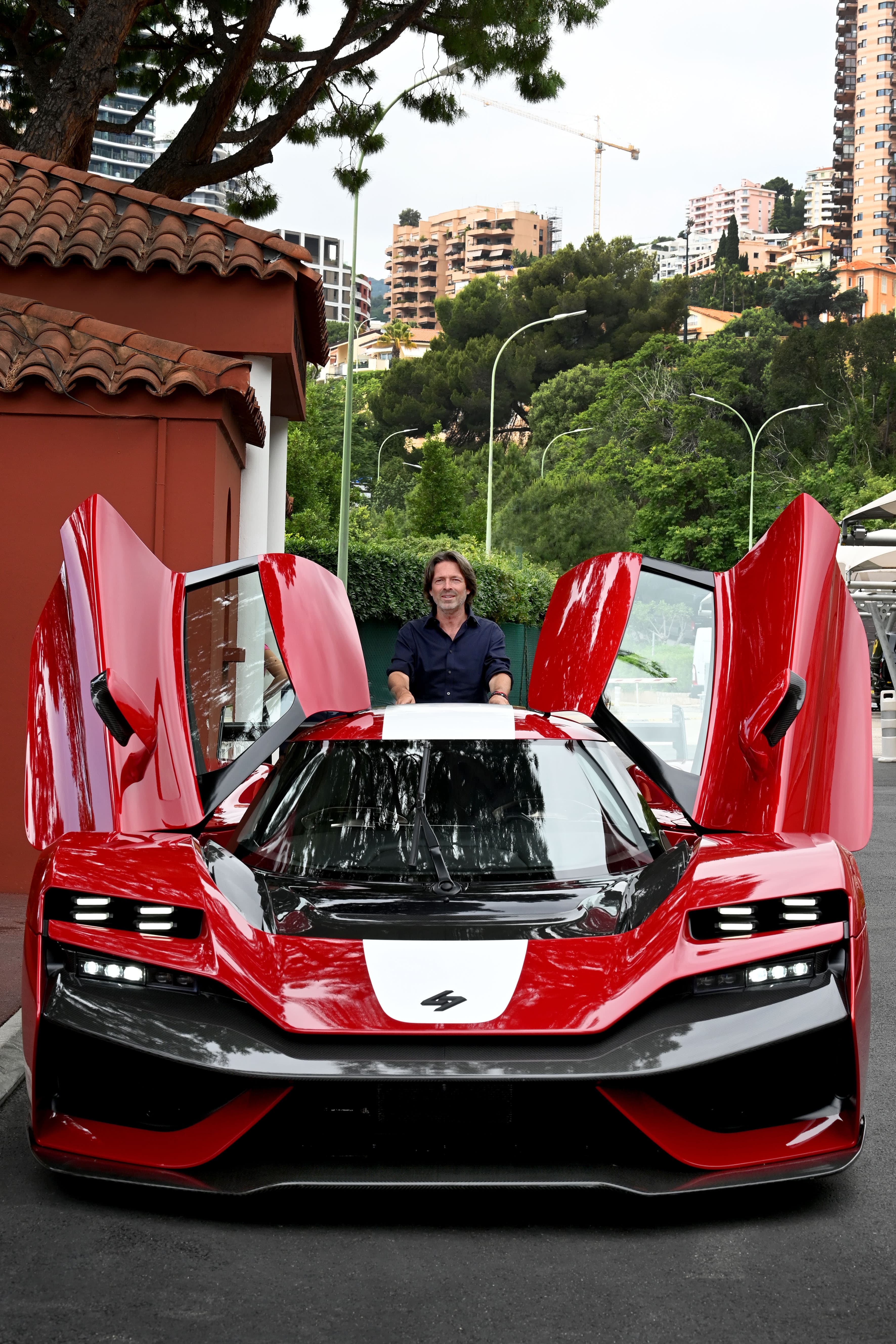
Some ideas do not date, they wait. The one Bruno Laffite had carried since his racing years fitted into a single sentence: drive a race car on the open road.
The return, by detours
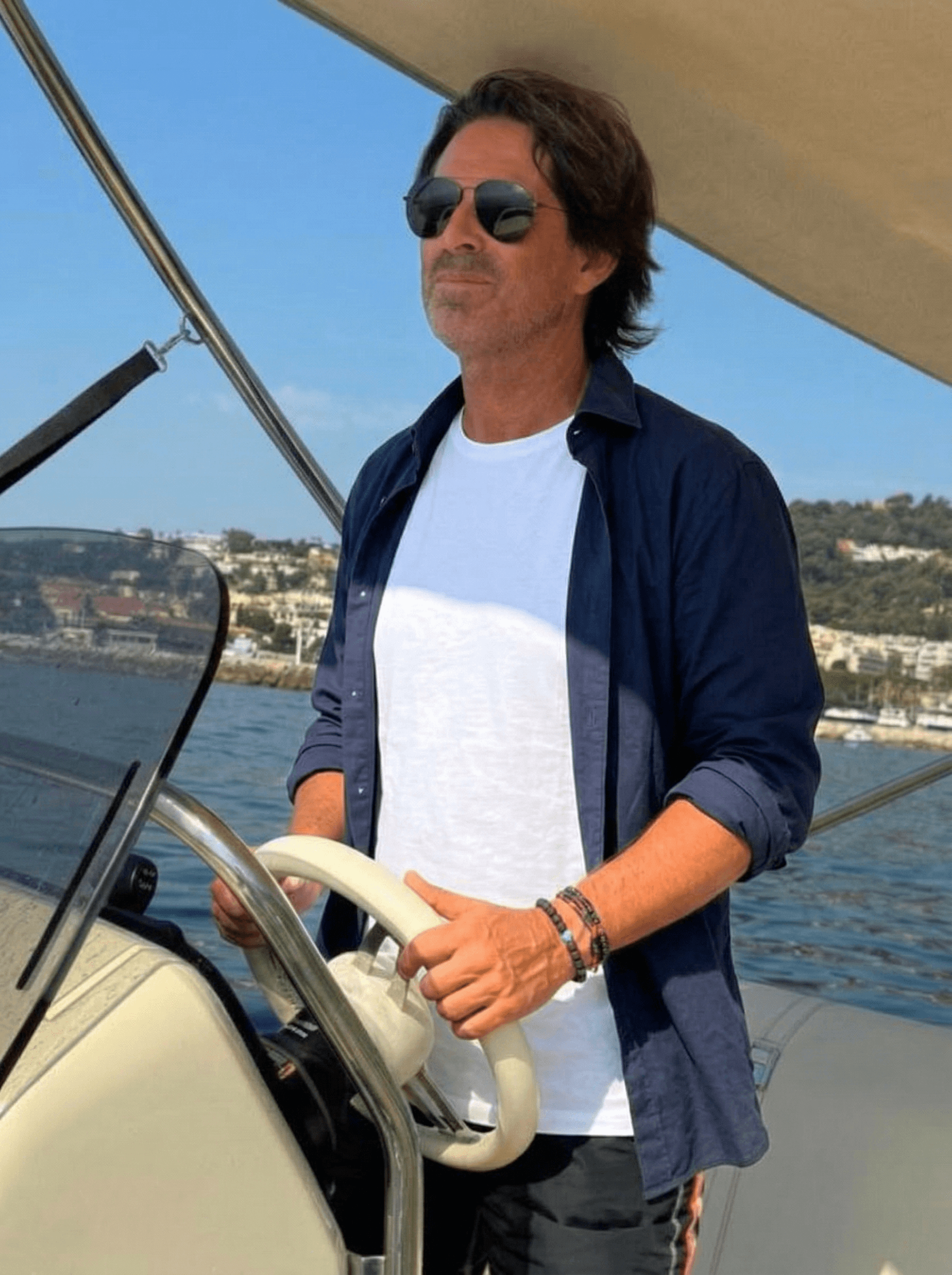
The return to Europe looked nothing like a career plan. After a decade spent building and renovating houses in Florida, the path was made of circumstances, opportunities and forks in the road, until he found himself practising the same trade on the other side of the Atlantic, a few kilometres from Monaco. The sites were comparable, the clients fewer and more demanding, the setting beyond comparison.
Because the Riviera is not a neutral place for a man raised in paddocks. It is a stretch of coast where the car is not transport but culture: a Grand Prix run between apartment blocks, private collections, workshops, an unusual density of people whose living or whose passion consists of looking after cars. After twenty years spent doing something else entirely, Bruno Laffite found himself surrounded again by the world he had left.
An idea that never leaves
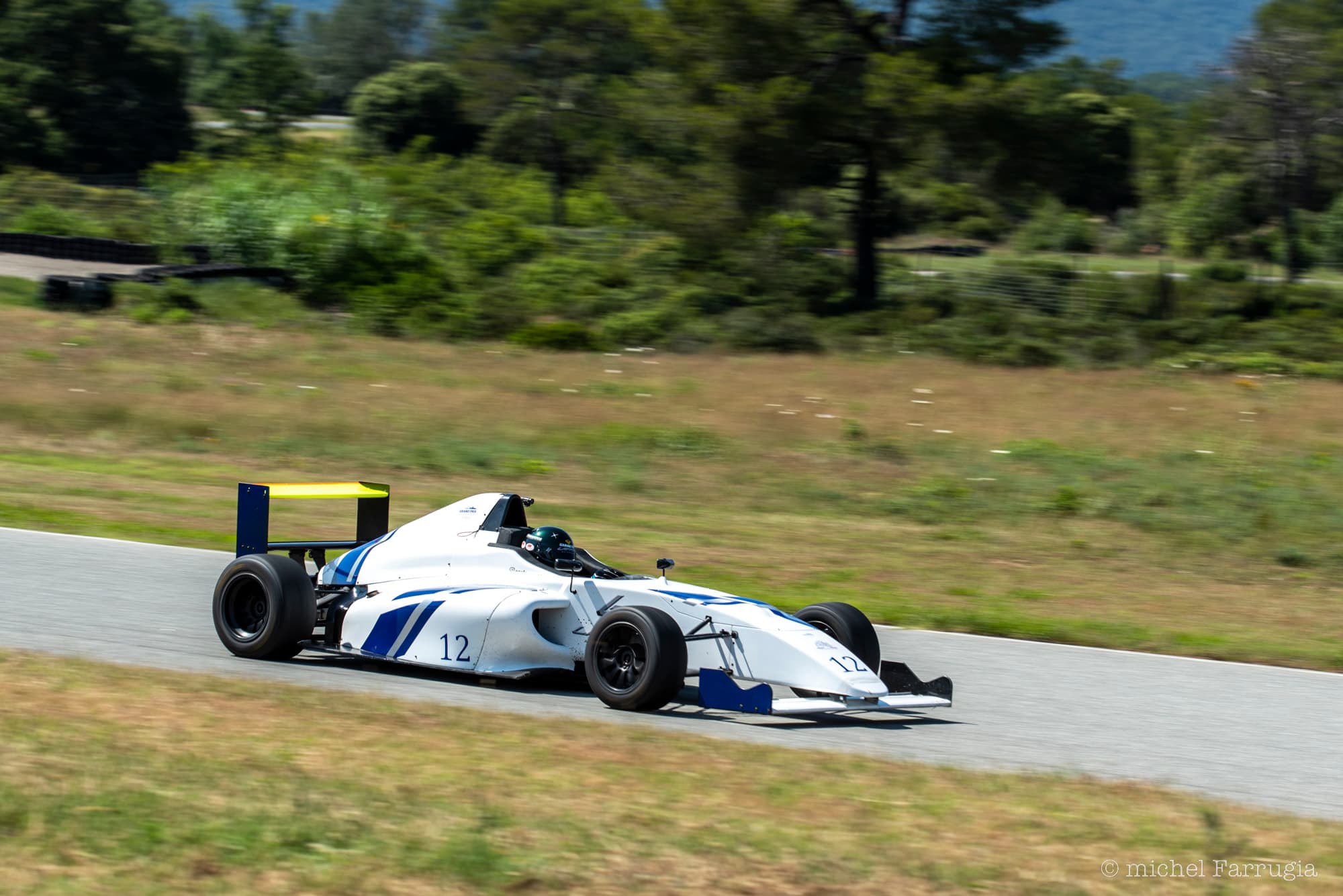
The intuition had never gone away. It dated from his Formula 3 seasons and his single-seater tests: the conviction that no road car, however fast, truly reproduces what a competition car gives you. The driving position, the rigidity, the immediate answer to the smallest input, the way aerodynamics press the machine into the tarmac belong to another universe, and that universe is off limits to anyone without a closed circuit.
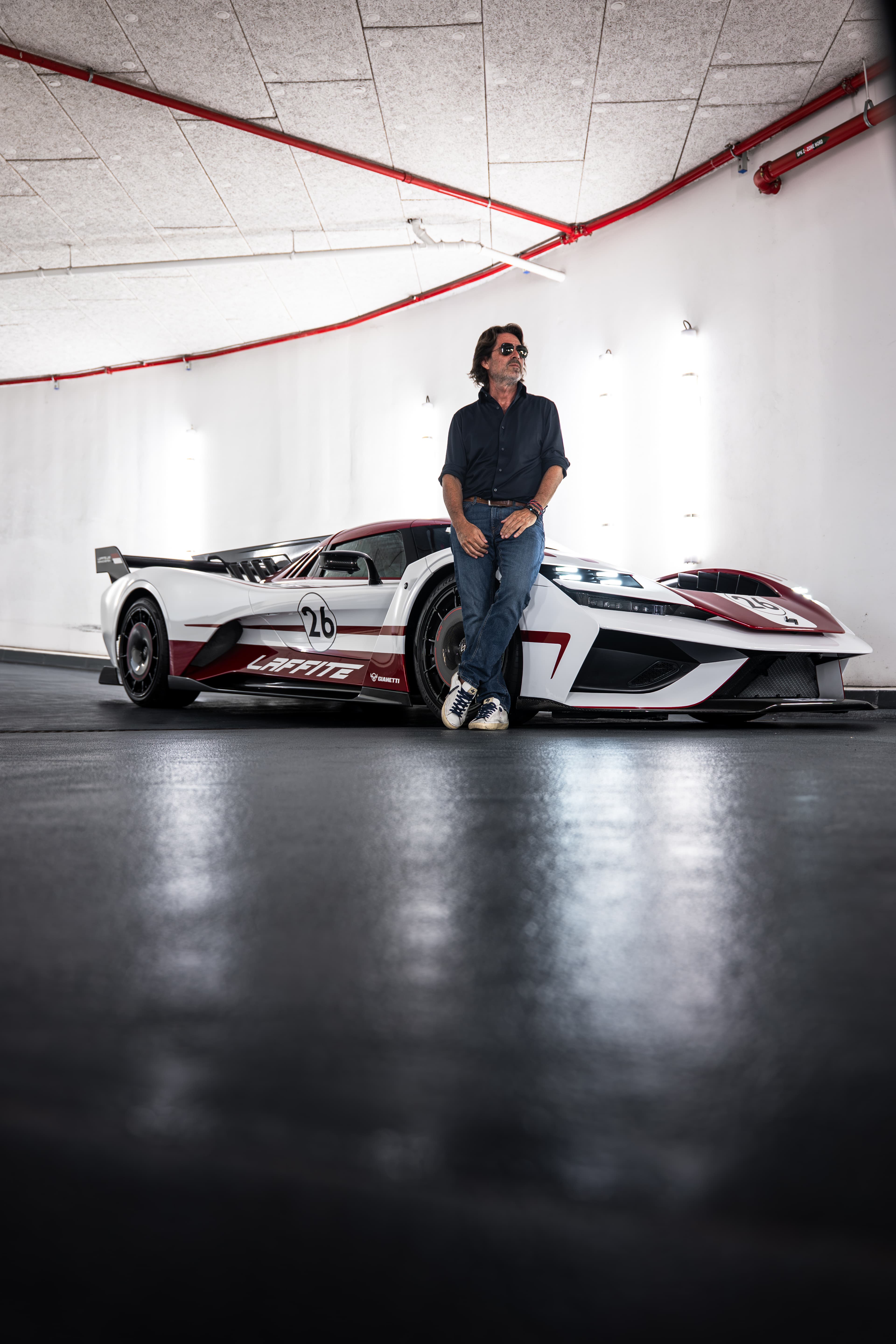
Hence the idea, easy to state and brutal to execute: build a race car homologated for the road. Not a very quick grand tourer, but a prototype of the kind that races at Le Mans, made usable on public roads. The hard part is not designing the car. The hard part is making it exist legally, industrially and commercially, which is where almost every project of this kind quietly dies.
The point was never to add one more fast car, but to put the exact sensation of a prototype onto the road.
Making the decision
What changed near Monaco, then, was not the idea. It was the man carrying it. At forty-five, Bruno Laffite was no longer a driver hunting for a seat: he had run karting circuits for ten years, delivered building projects for ten more, learned to read a balance sheet, manage teams and survive long cycles. The difference between a dream and a project rests precisely on that, knowing in advance what will have to be endured.
So the decision was taken without naivety, and equally without guarantees. He had no factory, no industrial network, no capital resembling that of an established manufacturer. What he had was a technical conviction, a name that still opens a few doors in the motor industry, and the American habit of committing before every answer is in.
The renovation business carried on for a while longer, but the centre of gravity had shifted. In 2014 a first automotive project began, a large 4x4, which would produce one car actually built and eight difficult years. The rest would be written in Turin, with a partner rediscovered and the pencil of one of Italy's greatest designers. Yet all of it starts here, on building sites in the south of France, with an idea that twenty years of other lives had failed to erase.
Invite Bruno Laffite to tell the behind-the-scenes at your event.